It was ADHD awareness month last month – and I kept meaning to write a blog about it but keep putting it off, which is very on brand. 😂
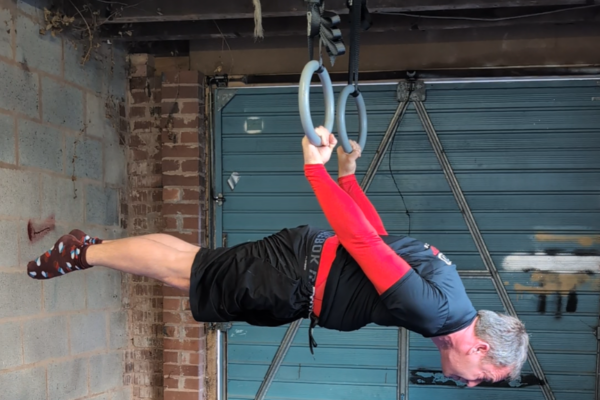
My own ADHD diagnosis a couple of years ago didn’t come as much of a surprise to anyone who knew me. With the benefit of hindsight, spending a decade of my life as a professional MMA fighter because getting punched in the face for a living was literally less painful than sitting in an office should probably have been some kind of a clue. Since then, I’ve been lucky enough to find myself a profession that works well for my brain, one that lets me do the kind of practical problem solving that I thrive on. I’m also very fortunate to have great people in my life to help me with the things I do less well – Steve does a brilliant job of keeping the clinic running and handling the systems and admin!
Over those last few years I’ve been thinking a lot about the ways that ADHD (and other varieties of neurodivergence) can affect our health and healthcare. I often see patients with ADHD traits struggling with systems and interventions that are designed without their brains in mind. Many tell me that they’re afraid of being labelled “difficult” patients: they’re worried they might be seen as forgetful, late, lazy, unreliable, overly anxious or argumentative. These worries, as well as challenges in organising and attending appointments, can result in people avoiding healthcare until it becomes an emergency. I’ve experienced some of this myself in the past, and perhaps it’s one of the reasons that I’ve been determined to do things differently in my own clinic.
At Olton Health and Performance it’s really important to us to treat all our patients as individuals. That starts with communication, and taking the time to get to know you. It means listening to your concerns and working together to tailor our treatment and advice to your needs. Many people, by the time they come to see us have already had bad experiences with healthcare elsewhere and might be anxious or apprehensive about their visit. One of the things I’m most proud of is the number of people who tell us that they feel safe and comfortable here.
Here are a few of the ways we try to make things easier. It doesn’t matter whether you have a diagnosis or not, or even whether you are neurodivergent or not – everyone has some things they find more difficult, and if there are adjustments that we can make that will improve your experience with us then please just ask!
Flexible booking
Booking appointments can be a challenge, so we aim to remove as many barriers as possible. For people who like to book online there’s an easy option to do this on our website. If you’d rather speak to a human, though, you can just give us a call on our clinic number and Steve will be able to help with any questions. You can also use the website if you need to change an appointment for any reason – just check your confirmation email for details on how to do this, or give us a call if that’s easier.
Taking time to listen
Are you ever unsure which details to include when someone asks how your injury happened, or do you worry that you might forget to mention something important? Perhaps you know that something isn’t right, but find it hard to describe exactly how that feels. We have lots of experience of talking to people about pain, and although it can be tricky for everyone, it’s often especially challenging for neurodivergent people.
In a first appointment we allow plenty of time to explore what’s going on. If something is important to you, then it is important to us. We encourage you to describe things in whatever way feels natural, and if you’re not sure about something then we’ll work with you to figure it out. We know that everyone experiences pain differently, and there’s no “right” or “wrong” way to describe your symptoms!
Plans that work for you
It can be demoralising when you leave an appointment with a list of things to do and the best of intentions, but then your next appointment comes round and you realise that you’ve not managed to stick to the plan. We find that “one size fits all” advice and exercises often don’t work for our patients. There are lots of reasons why exercise plans might not get done: perhaps you’re struggling with a lack of time, difficulty remembering to do it, or because you’re too exhausted at the end of a long day at work. Sometimes there are just far too many exercises, or they aren’t the right ones for you. Some people find learning new movements more challenging because of differences in how their brains process coordination.
Finding the right plan that works for you and your lifestyle, that gives you the best possible benefit for the minimum amount of fuss, and that you feel good doing is all part of our job – and we pride ourselves on being flexible and creative with how we do that. If something isn’t working, we encourage our patients to tell us so that we can think again.
Ways to help you remember
Lots of people find it hard to remember what we discussed during a session, and if this is something you find tricky then we have ways to help. Some people like to bring a friend or family member with them as another pair of ears and eyes, others like to record some or all of their session so they can listen back to key points or advice (please let us know if you’d like to do this – we can help make sure you get a good recording of the important points). We always keep our own notes of your visit, and if you’d like a quick email summary of what we talked about and the advice to take away then we’re happy to do this. Alternatively, we can write things down for you, or encourage you to video us demonstrating exercises on your phone.
Adjustments for sensory needs
Many neurodivergent people have strong responses to certain sensory stimuli. It might be harsh lighting, or strong smells or background noise. Perhaps you’re particularly sensitive to temperature. Some people don’t like certain kinds of touch, and find particular treatment techniques don’t suit them as a result. People may also have different sensitivities to pain; having a high or a low pain threshold is not inherently good or bad but it might affect which kind of treatment that you’re most comfortable with. We’re used to adapting both our treatment and the environment, so don’t be afraid to mention if something is bothering you; we know you are not being “fussy” or “oversensitive”!
No shame or judgement
Many neurodivergent people go through life feeling embarrassed or ashamed about our differences. It can be hard to explain to someone why it’s so challenging to answer questions about where your pain is or to do a “simple” exercise, or why that sound that nobody else seems bothered by is making it impossible to pay attention. Challenges with organisation or forgetting to do things are often treated as personal failings or a lack of effort rather than being due to difference in how our brains operate. No wonder so many people feel uncomfortable mentioning these difficulties – we’d rather grit our teeth and hide it than risk being treated as a problem. We get it, and we’re on your side. We might not always have easy solutions – but we’ll work with you to find them.
We can’t promise that we’ll get everything right first time. But if something is standing in the way of you getting the most out of treatment with us, we can promise to listen and to work with you to figure it out.